On indie press: Lee Battersby

I’ve invited a number of people who have published in indie press to write about their experiences. Today’s post comes to us from Lee Battersby, a well-known name in the Australian speculative fiction field. 
I’ve always loved short stories. My first SF book — which I still own, thirty mumble mumble years later — was a collection called SF Stories for Boys put out by Octopus Books in the 70s. I met Asimov for the first time in that book, and Harry Harrison, and began a thirty year obsession with a just-about-forgotten Australian author named Frank Roberts, whose story “It Could Be You” freaked the bejesus out of me, as well as foreseeing the logical extrapolation of reality TV forty years before the proliferation of shit-awful Mastersurvivorbrotherloser clones forced me to join Murdoch’s evil Pay TV empire.

When I began writing, properly, because I wanted to be a writer, I wanted to write short stories above all. My first publication — a poem — was in 1989, and I’ve written just about everything in the last 20 years: poetry, stand up comedy, jokes, advertising copy, educational material, interviews, reviews, articles, theatre, film scripts, late notes, apologies, novels, death threats, legislation, instruction manuals… But I always come back to short stories. I love to read them, I love to write them. I love to edit collections of them. And when I’m gone, and nobody remembers who I was, and those who do remember are pretending not to so people won’t pity them, I want just one “It Could Be You” left behind to fuck up the mind of someone young in my name. Consider it my black-hearted little gift to the Universe.

Somewhere, whilst I was growing up in small-town Australia, the publishing world changed when I wasn’t looking. The SF magazines that had been the bastion of alternative expression during my youth — all those second hand copies of If and Galaxy and New Worlds I’d been sniffing out — went broke, and those that remained became increasingly conservative. By the time I hit Uni aged 18, every copy of Analog I read felt like every other copy of Analog, and so did Asimov’s, and F&SF, and they were the only ones I could find on a newsstand. Conservative ideas expressed with the most conservative words, in ABC plots where nothing was wild, nothing was untamed, and the ghosts of Sladek and Aldiss and Bester were long forgotten. I’d grown up with the understanding that art existed to push the envelope of what was conceivable, and even if I couldn’t yet articulate it, I could point to Gahan Wilson, to Spike Milligan, to Alice Cooper and HR Giger and David Bowie and Charles Addams and Rene Magritte and shout, “Them! It’s meant to be like them!”

Art is not comfort food. Art should never be comfort food.

But everything I read tasted like the literary equivalent of a microwave cheeseburger: glaggy, half-cooked, and deeply, deeply unsatisfying. And soon enough, you end up sitting on the couch wondering why the hell you spent money on something so awful when, if you’d expended a little bit of effort, you could have made something much more enjoyable from scratch.

In 1990 I bought the first issue of Aurealis in a little newsstand in the centre of Perth because my bus home was late and I ran out of reading material. And promptly had an “It Could Be You” moment. For the first time since I was nine years old, SF fucked me up again.

Not because the stories were at the cutting edge of brilliance (although I remember them as being, on the whole, pretty good). But because they were Australian. There was no internet in 1990, no online ordering, no e-zines, no way for me, as a poverty-stricken student (And I was poor. Bloody poor. Ask me about it sometime) to connect with an SF community: I couldn’t even afford the membership dues for my university SF club. So all I had to go on was what I read, and there was nothing, not a bloody thing, to indicate that Australians wrote SF. Like acting careers and joining the space program, it was just something other people did. In my world, in my family, you didn’t hold such hopes for yourself. My family and I, well, these days the best you can say is that we share the same basic genetic structure and we live on the same continent.

It took me eleven years of doing other things, but when I started writing SF with a sense of purpose in 2001, I aimed for Aurealis. And in doing so, I connected with an SF community that shared my passion for that mad, wild, alternative SF style that had fuelled my childhood imagination (I discovered The Goon Show the same week I was given that first SF book. And people wonder…). One of the writers from that first issue of Aurealis is now a good friend, one is a peer I look up to and whose works continue to inspire me, and one I still see at the occasional convention. But we know each other, and can sit and share a drink should we so choose. It’s hard for people within our genre, I think, to understand how special that is, to be able to form a relationship with an artist outside the scope of their work: we take it for granted because the SF genre has created a tradition of conventions and intimate contact, but there’s still something visceral for me, as an artist who still aspires in so many ways, to share space with those who serve as pathfinders for my own artistic ambitions. And those writers I first read in 1990 are all still writing short stories, and all still stretching the boundaries of what they can accomplish in the short form, in their various ways.

But why the fascination? Why do I still write and read so much in the indie press? For the same reason why my workmates have never heard of the bands I listen to, or the comics I read. Because the core of the genre has become conservative, and the government of our thoughts has become centralised, and the walls of the establishment have become higher, and thicker, and more soundproof. Outside, where the barbarians live, in the small presses, the chances of failure are greater, and the readership is smaller, and an artist can look at the world in a way that scares or damages or inspires the wild thoughts of others, and find a home for those thoughts without worrying what effect it will have on their market penetration. Because the fringe is where the fun is. Magazines live and die like mayflies. Entire careers flourish, flower, and die without a single book deal being struck. Chaos is part of the dynamic. Chaos is part of the charm.

And I love it. I love it all. I love it to the detriment of my career: my peers, those who sold their first stories at roughly the same time as me, and whose careers have similar time lines, are striking those book deals, and publishing their novels, (And good on ’em, too. Just because I love shorts, doesn’t mean I don’t want one of my own) and I have, in many ways, fallen behind them. But I keep turning on the computer to find the guidelines for an anthology of gay-werewolf-pilot stories staring me in the face, and as much as I don’t want to, as much as I know I should be adding another 10 000 words to the novel-in-progress instead, still I wake up one morning and think, “If he’s only gay when he’s in wolf form…” and off I go again.
Lee Battersby is the multiple-award winning author of over 70 stories, in markets throughout the US, Europe and Australia. A collection of his work, entitled Through Soft Air, has been published by Prime Books. He currently lives in Mandurah, Western Australia, with his wife, writer Lyn Battersby, and an ever-changing roster of weird kids. He currently divides his writing time between novels and short stories, and tutors the SF Short Story course for the Australian Writers Marketplace Online. He can be found at www.leebattersby.com and is unhealthily addicted to Lego and Daleks. 
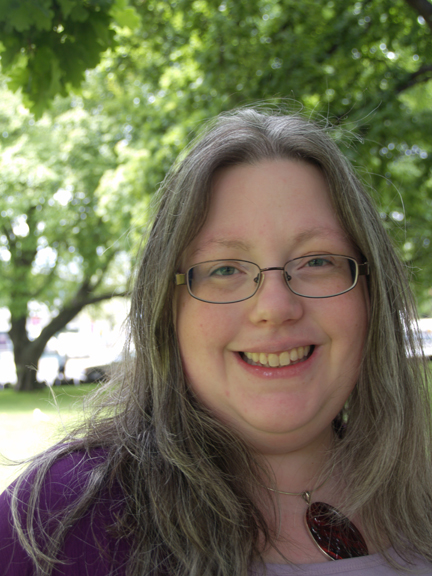
On indie press: Tansy Rayner Roberts

I’ve invited a number of people who have published in indie press and gone on to become professionals in the field to write about their experiences. Here, Tansy Rayner Roberts shares her experience.

Indie press caught me when I fell.

We didn’t call it indie press so much back then, in the early days of the new millennium. Before a firm rebranding, it was small press and proud. But after my first professionally published novels sank, crashed and burned and I found myself having to reassess whether I was a writer or not, it was small press that gave me a community to belong to while I built my skills up to the next level.

I embraced the short story, and wrote a bunch of them, mostly published in tiny little ‘zines that few people had heard of then, let alone now. I also joined the Andromeda Spaceways collective and learned about publishing a magazine from the ground up (spoiler: it’s really hard work).  Later I edited YA e-zine Shiny and played in the New Ceres paddling pool, two projects that were integral to the launch of (World Fantasy Award nominated) Alisa Krasnostein’s indie publishing house, Twelfth Planet Press. My goals kept shifting: I wanted to make sure I had something published somewhere, every year, and then it was all about getting that novel career back, and one of the things that had to be sacrificed was my involvement in making small press happen for other people.

Also, there were babies. Actual babies that needed my time and attention. (spoiler: they are hard work too. Who knew?)

Then, finally, the novel career came back, and contracts were signed. Deadlines. Real books with actual distribution and publicists and that sort of thing. I was playing in the Big Kids Playground again.

But just because I had promised myself not to get involved in the making of small or indie press again didn’t mean that some of my work didn’t have a place there. As Alisa built up Twelfth Planet Press into something that was attracting global attention, my stories found a home there, one after the other, until I realised that what with all my novel deadlines and baby juggling, I was pretty much only writing short fiction when Alisa asked me to. And it seemed, I had finally got good at it – after years of writing short fiction that sank without a trace, the stories I sent to Twelfth Planet Press started to get attention. Award nominations. Positive reviews. When you haven’t had those things for a long time, they make you giddy!

I wrote a story I loved, “Siren Beat”, for a friend’s charity anthology project, and when that didn’t get picked up by a publisher, Alisa gave “Siren Beat” a home. It won me my first international award. When she asked me to produce a four story collection for her Twelve Planets project, I knew that I had to do it, even if it meant taking a chunk of precious time out of my novel deadlines, which had become a little bit deadlier upon the birth of my second daughter.

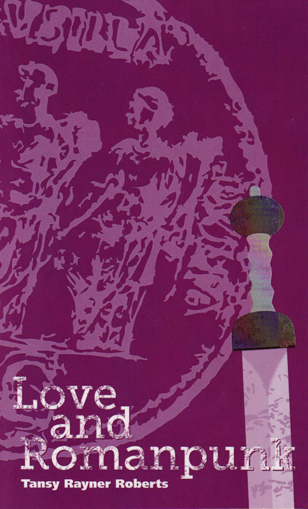
Without the existence of Twelfth Planet Press, I wouldn’t have written those stories, into which I poured all of my love and obsessions and annoyances with Roman history, the other career path that I had been passionate about, a decade ago. Love and Romanpunk is a beautiful book, and one that has absolutely no place with a big pro publisher. It also gave me a breath between big fat fantasy novels, and serves as a wonderful introduction to the kind of work I write, for those people who are likely to balk at a big fat fantasy novel or three.

I get so irritated that the current wave of self-publishing has taken on the label ‘indie’ and devalued it. To me, indie publishing involves a publisher who finds the work that will appeal to a niche audience, the editor who hones it and makes it better, the cover artist and designer, the proof readers. And sure, some of those are the same people, and it’s very likely none of them are getting paid for their work (yet) but it’s a business that contributes some amazing work to the field. To me, indie publishing is the field that brought me the gorgeous restaurant novels by Poppy Z Brite, the collections of Kelly Link, Glitter Rose by Marianne de Pierres, and the WisCon Chronicles. Maybe I’m just some grumpy old pedant railing against the internet, but I don’t see why self-publishing needs to take terminology that means something else, not when the stigma is peeling away from the self-publishing process in big wet chunks.

Self publishing is hot right now. But it’s not indie publishing, to me.

All this is not to say I haven’t had my dramas and disasters with indie publishing. Contracts to e-publish with no end clause, and a publisher who refused to negotiate any detail of said contract, forcing me to remove the work for publication. A publisher who dropped out of contact more than half a decade ago and yet still think they have the rights to put my work on the Kindle. Publishers who never produce the actual product, editors who don’t understand how the editing process works, and on one particularly awful occasion, a friendship lost because the author-publisher relationship became so deeply damaged.

But it’s a rare author who has a career longer than a decade and hasn’t picked up some horror stories along the way, and I can tell you that I have quite a few traumas attached to my experiences with pro publishers too (though not, thank goodness, recently).

Indie press doesn’t offer the big money, and it doesn’t offer major distribution, especially not in Australia. But for those works that are never going to appeal to the big business side of major publishing, it can lead to beautiful books, and the promotion of work that helps to build a writer’s reputation. For me, at a time when my pro novels are still confined to Australian and NZ territories, it’s rather glorious to have a little book that can fly to every corner of the world. Also, it’s purple.

I love Harper Voyager for everything they have done to relaunch my career, putting my heart and soul (and falling naked men, and frocks, and shapechanging animals, and magical cities) on bookshelves around the country, but they never gave me purple.

Tansy Rayner Roberts is the author of the Creature Court trilogy (HarperCollins Voyager) and short story collection Love and Romanpunk (Twelfth Planet Press).  In the last year she has won the Washington SF Association Small Press Short Fiction Award, the Ditmar for Best Novel, the William Atheling Jr Award for Criticism and Review, and the Aurealis Award for Best Fantasy Novel, among other awards.  It’s been that kind of year.  Tansy blogs at http://tansyrr.com and can be found on Twitter at @tansyrr.  You can hear her every fortnight on the Galactic Suburbia podcast.

On indie press: Sean Williams

I’ve invited a number of people who have published in indie press and gone on to become professionals in the field to write about their experiences. Today Sean Williams, one Australia’s most prolific and best-known writers of speculative fiction, shares his love of small press with us.

“Small Press: An Ongoing Reminiscence”

It seems strange now that there was ever a time when small press was thin on the ground in Australia, but in the early nineties publishers big and small had pretty much abandoned the field. All that remained was a tiny handful of small, independent zines, and it was in these that my stories found their first homes – from the Esoteric Order of Dagon magazine, in which I saw print for the first time exactly twenty years ago, to the future powerhouse of Eidolon, where I found a space to experiment with different types of speculative fiction and different forms of fiction, too (such as the mammoth 25,000-word “The Perfect Gun”, my longest story in print at that time). Under the close editorship of Jeremy G Byrne and Jonathan Strahan, I learned to be a better writer all round, garnering several Ditmar and Aurealis Award nominations, and even the odd gong or two.

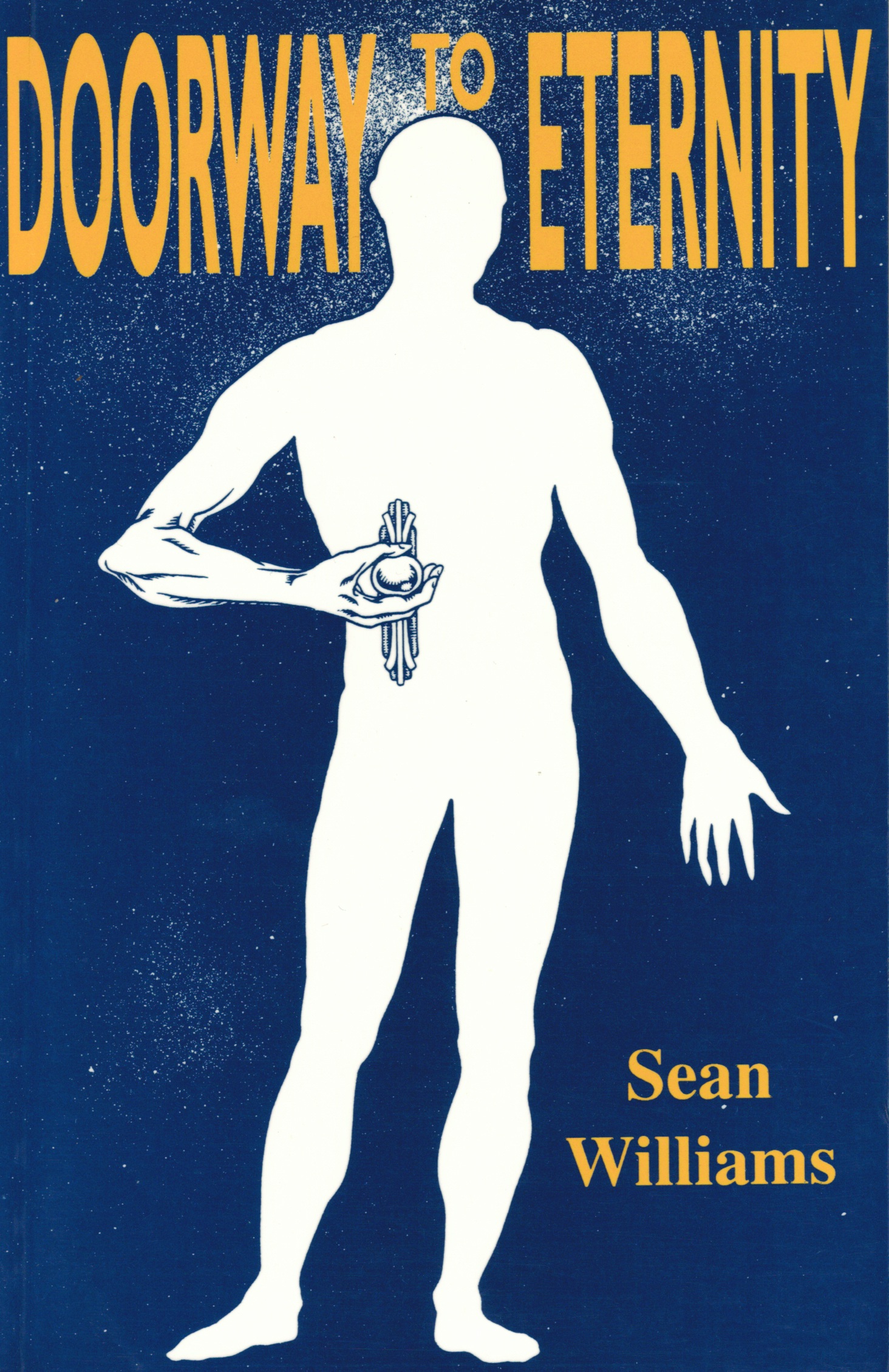
Those exciting early years ultimately brought me to the attention of HarperCollins, which published my first solo novel, but there were a couple of serious milestones to cross before then. Bill Congreve of MirrorDanse books published the very first book with my name on the spine – a collection of two unpublished stories and a novella under the title Doorway to Eternity, which sounds a bit New Age-y to me now but aptly captured my aspirations, none of which would have been achievable without this crucial nudge in the right direction. Bill’s confidence in my work and his close stewardship of the book and its contents were critical in keeping me moving onward and outward.

Around the time of Doorway’s publication, the now-legendary Peter McNamara got in touch to propose a joint project with Shane Dix. At this point, Aphelion Publications had become the only small press publisher of science fiction novels in Australia, and our discussions resulted in The Unknown Soldier, my first full-length work in print, beating HarperCollins and Metal Fatigue by a year or so. It garnered my first award nomination for a full-length work and gave me critical experience for what was to come.

So experimentation, exposure and experience – three things every writer needs to accumulate in order to succeed – all came from small press. That was my experience then, and it remains so today for writers new and old.

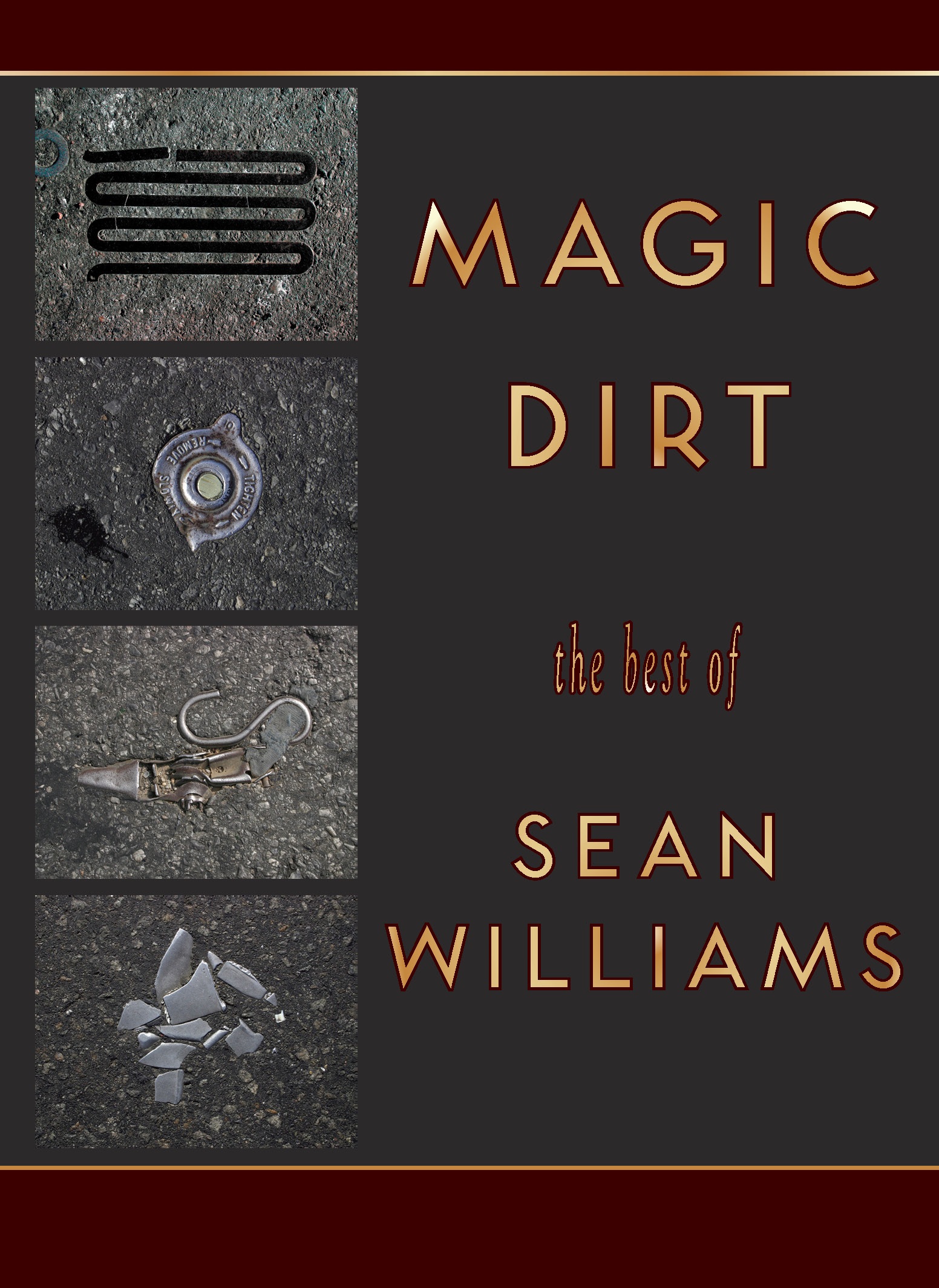
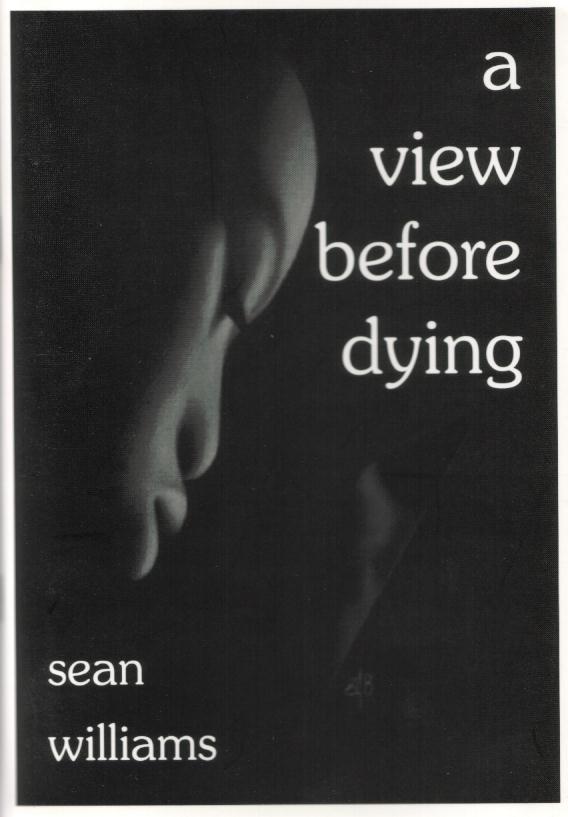
The important role small press played in my career didn’t end with my transition to traditional publishers. Russell B Farr of Ticonderoga Publications has published no less than three collections of my short work: A View Before Dying, themed reprints to accompany my second solo novel, The Resurrected Man; my first full-length collection, the Ditmar-winning New Adventures in Sci-Fi in 1999; and a retrospective collection, Magic Dirt: The Best of Sean Williams, which won the Aurealis Award in 2008. (Exposure – tick.) He also commissioned the strangest collaboration I’ve ever been part of: the intro to Stephen Dedman’s The Lady of Situations, consisting of a conversation between myself and a dead racehorse channelled by Simon Brown. (Experimentation – huge tick.)

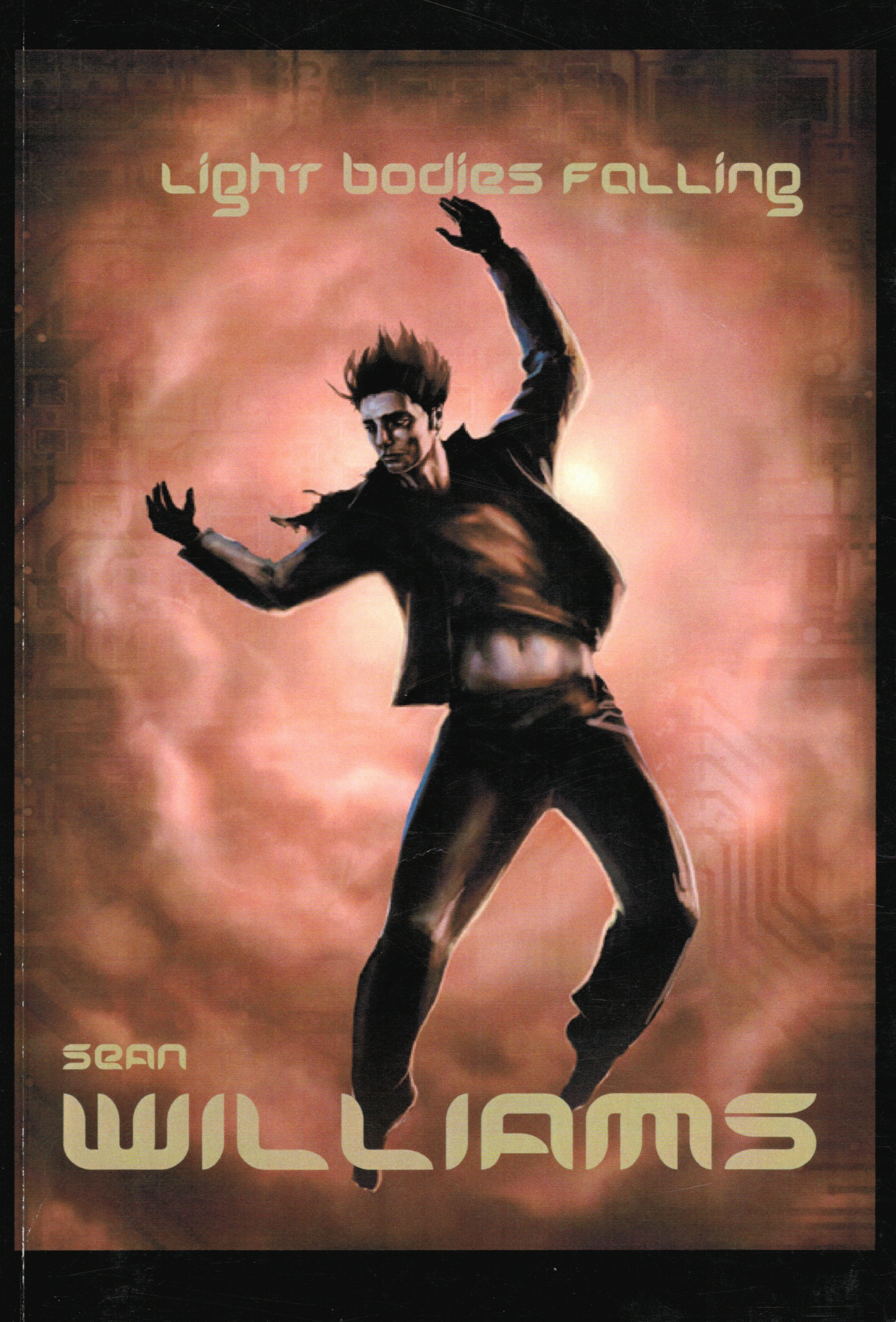
In 2007 Rob Stevenson of Altair Australia Books published Light Bodies Falling, a collection of my rarer works, many of them unpublished or out of print, many connected to novels such as The Crooked Letter. This is Exposure on two counts: good work that might have been forgotten (even by me!) is given a new lease of life and my interest in the short story form remains vital.

I do write less short fiction than I used to, but the odd small-press commission does occasionally spike my interest. Such was the case when Chris Roberson invited me to write a standalone novella for his small press, Monkeybrain Books. Cenotaxis was the result – my first serious experiment in non-linear storytelling and a work that plugged an important gap between the first two Astropolis books. The same goes for Rob Hood’s Daikaiju series of anthologies (published by Agog! Press), which resulted in giant monster-themed haiku and limericks that would never have existed but for the invitation (some might not regard that as something to be thankful for).

I’m far too lazy and nowhere near crazy enough to do any of this small press stuff myself, although I did once self-publish a leather-bound edition of a book co-written with Simon Brown (without his knowledge, just for lolz). Only four copies of The Butler Codex exist, but bringing them into being gave me a much greater appreciation for those who take on tasks like this – from those who publish several books a year, to passionate individuals putting together a single fund-raiser anthology to raise money for victims of natural disasters (I’ve been in several of those, too, such as 100 Stories for Queensland, Tales for Canterbury and Hope). While some of these people go onto become Jonathan Strahan (TM), celebrated world-wide for the awesome forces for good that they are, all of them deserve to be celebrated and thanked for everything they’ve done to shape the field, by providing homes for niche or experimental work and by nurturing new writers. Their dedication, hard work, and serious financial investment do not go unnoticed.

I don’t think it’s outrageous to claim that I wouldn’t be where I am today without the help of these wonderful people. I think it’s the absolute truth. Small press is just about the purest expression of community in this mad and magnificent field of ours. Long may it thrive.

Sean Williams was born in the dry, flat lands of South Australia, where he still lives with his wife and family. He has been called many things in his time, including “the premier Australian speculative fiction writer of the age” (Aurealis), the “Emperor of Sci-Fi” (Adelaide Advertiser), and the “King of Chameleons” (Australian Book Review) for the diversity of his output.  That award-winning output includes thirty-five novels for readers all ages, seventy-five short stories across numerous genres, the odd published poem, and even a sci-fi musical. He is a multiple recipient of the Aurealis and Ditmar Awards in multiple categories and has been nominated for the Philip K. Dick Award, the Seiun Award, and the William Atheling Jr. Award for criticism. He received the “SA Great” Literature Award in 2000 and the Peter McNamara Award for contributions to Australian speculative fiction in 2008.

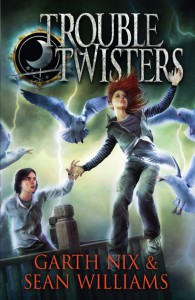
Tehani says: Sean has written far too many great books to list them here, but check out his new website for more on Sean and his extensive publications list, including his most recent book Troubletwisters (with Garth Nix).


On indie press: Kaaron Warren

I’ve invited a number of people who have published in indie press and gone on to become professionals in the field to write about their experiences. In today’s post, dark fiction writer Kaaron Warren shares her publishing journey.

My history with independent press is the history of my writing career. I sold my first short story, “White Bed”, to the Women’s Redress Press, after finding a flyer in my letter box. I’d been sending out stories for a couple of years by then, gathering rejections and a wonderful ‘This is a very satisfying story” from the fiction editor of Penthouse. So when I received the phone call from the editor of Shrieks (I‘d moved from Sydney to Canberra in the interim) many months after submitting the story, I was stunned and thrilled beyond words and I still think of that phone call as the moment I became a professional writer. Until you make that first sale, you’re not really sure it will ever happen.

My second short story I sold to Aurealis. Like Trent Jamieson, Aurealis was a major career goal. I’d been reading it since the first issue, and considered it an impossible dream, to be honest. I’d received some ‘good’ rejections, ie ticks at ‘this was almost there’ and ‘send us more of your work’ rather than ‘thanks but no thanks’. A couple of times I’d had ‘revise and resend’ and I  took a week off work each time, to work my butt off as a real writer. It worked for ‘The Blue Stream’. When Stephen Higgins called to tell me they were buying the story, my excitement must have been clear. “You haven’t sold too many stories yet, have you?” he said, very kindly.

From then on, when people asked me if I’d been published, I could proudly say, “Yes.” And it made a difference to the way I was perceived.   I think there is passion in all parts of publishing; most people work in the industry because they love books. With the independent press, this passion can be seen through from the initial dream to the end result, and I love being part of that process. A publisher has an idea for an anthology and has the fun of finding stories, cover artists, layout artists and all. I love some of the anthologies and magazines I’ve been in for their creativity in concept and style. Here’s just a few:

Scenes from the Second Storey from Morrigan Books, came from Mark Deniz’s love of the eponymous album by The God Machine. I’m sure I wasn’t alone in mainlining the album while writing my story.

Baggage from Eneit Press, came from Gillian Polack’s desire to explore the nature of migration to Australia. What we bring with us, what we leave behind.

The Alsiso Project, from Elastic Press, came from a typo!

These are just three. I’ve also been in inspired anthologies from our host, Tehani Wessely’s Fablecroft Press, Alisa Krasonstein’s Twelfth Planet Press, the CSFG anthologies and many more. I love that these publishers have creative ideas and that I get the chance to write for them.

My short story collections, The Grinding House from CSFG Publishing and Dead Sea Fruit from Ticonderoga Books, both came from the passion of the publishers. Donna Hanson, from CSFG, and Russell Farr, from Ticonderoga, approached me to publish my stories. Both overcame my fears and my self-doubt and pushed me to produce books I’m hugely proud of. Both times I had the opportunity to choose the cover artists, which is something else wonderful about the independent presses. Robyn Evans did the cover for The Grinding House and Olga Read did Dead Sea Fruit. I adore both covers.

I continue to support and be published by the independent presses. I can’t wait to see what they’re going to come up with next.

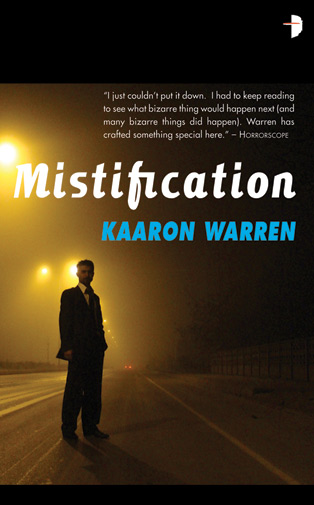
Kaaron Warren has been publishing fiction since 1993. Her three novels, all from Angry Robot Books, are Slights, Mistification and Walking the Tree. Upcoming, she has a novella upcoming in Visions Fading Fast, from Christopher Teague’s Pendragon Press, another in Ishtar from Gilgamesh Press, and a series of four stories inspired by the Australian landscape as part of Alisa Krasnostein’s Twelve Planets series. She has a story in Ellen Datlow’s Blood and Other Cravings anthology.   You can find her at kaaronwarren.wordpress.com and on twitter @KaaronWarren

On indie press: Jim C Hines

I’ve invited a number of people who have published in indie press and gone on to become professionals in the field to write about their experiences. Today’s post comes to us from Jim C Hines, a US author who has experienced success professionally and is also experimenting with self-publishing. 

When Tehani e-mailed to ask if I’d be interested in doing a guest post about my experiences with indie press, I said I’d be happy to … but, um, what exactly did she mean by “indie”? Were we talking about indie as a deliberate alternative to the mainstream? The small presses who publish titles too different or risky for the big publishers? Or is this indie as it’s come to be used, where everyone from vanity presses to bestselling authors dabbling in e-books try to lay claim to indieness?

I admit I cringe a bit at the term “indie” these days. Often (but not always), the word signals that I’m about to be sold to. I’ve come to associate indie with authors who send multiple invites to be their fan on Facebook, daily messages asking me to retweet their contests, comments begging me to like and +1 their books, and so on. Not all self-identified indie authors are obnoxious self-promoters, but in recent years, it feels like most obnoxious self-promoters identify as indie.

To me, indie is more than a sales pitch. I’ve always appreciated the role of the small press in publishing works that were too risky for the big publishers. My first novel Goldfish Dreams was a mainstream book about an incest survivor. I don’t know that a book like that, written by a fantasy author, would have sold enough copies to justify the time and money most major presses invest in their titles. But this smaller, specialty publisher was able and willing to take that risk.

The same holds true of short fiction collections. How many single-author collections do you see from big vs. small publishers? These are important works, but not works that generally sell well enough to make it as major releases.

Following that logic, self-publishing could indeed be the culmination of indie. When Goldfish Dreams went out of print, I released it as a $2.99 e-book. I’ve also published two electronic collections of my short fiction, with a third on the way. I have the freedom and independence to publish anything I’d like, and no marketing group or sales committee or editor has any say in those choices.

Heck, I could post my grocery list for sale on Kindle and declare myself an indie author. (A bestselling indie author, even, if my book makes it into the top 100 list in the Kindle > Kindle E-books > Nonfiction > Produce > Contemporary Grocery Lists category.) But when people talk about wanting to read indie books, or to listen to indie music, the assumption is that they’re looking for something a) different and b) good.

Which makes me believe that self-publishing =/= indie. Some self-published titles would qualify as indie, but not all, and not by the mere virtue of being self-published. My suspicion is that most of the truly indie titles continue to be found in the small press, where editors can deliberately select those stories that are both different and good. (And if you believe “good” is in the eye of the beholder with no true meaning, then you’ve probably never been on slush reading duty.)

I’m pretty sure I’ve gone off on a tangent from Tehani’s original topic. Coming back to myself and my own career, I very much appreciate the small publishers who took a chance on my earliest books. Those first books provided a tremendous boost to my confidence. And while I don’t know that I’d describe Goblin Quest as indie, I do think Goldfish Dreams feels like an indie title, and I’m grateful for the opportunity to have published something I feel was both different and important.

Long live the indies!

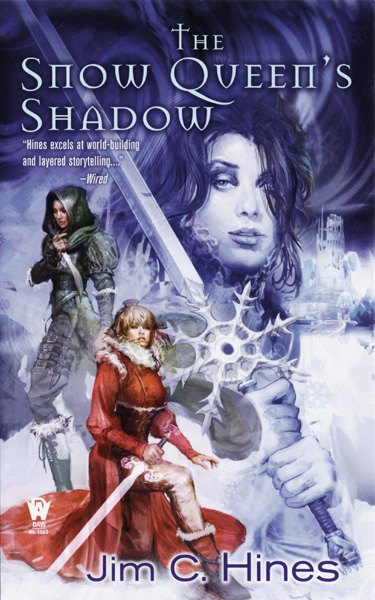
Jim C. Hines is the author of The Snow Queen’s Shadow, his seventh fantasy novel. This is in no way an indie title, but does feature Sleeping Beauty as a kick-ass ninja, so that’s pretty cool. He’s self-published two short collections, Goblin Tales and Kitemaster & Other Stories, and spends far too much time online at http://www.jimchines.com

Judging a book by its cover

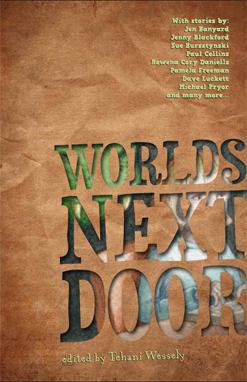
I’m fortunate to have the wonderful, award-winning Amanda Rainey designing book covers for FableCroft. The cover for Worlds Next Door is fabulous and has received some great feedback already. We think a lot about covers and there’s been lots of cover discussions in the blog-o-sphere in recent times too. From the very cool YouTube clip of the creation of a Gail Carriger cover to the issues with representative covers, people clearly care a lot about covers.

It’s one of the oldest sayings around: “Don’t judge a book by its cover!” – a great adage to remember when dealing with people, but to be honest, I’ve never understood it in relation to books! As a teacher librarian, I can tell you that the cover of a book is possibly the most important thing required to “sell” a book to a reluctant reader. Or even a great one. We are visual creatures – if it doesn’t look good, we are less likely to pick it up. The artwork and design of a book cover are its primary selling point, in a library and a bookshop – if the design doesn’t appeal, it is harder to sell, especially an unknown or newish author.

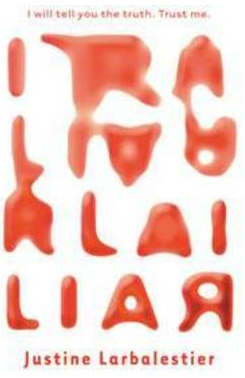
And it’s not just about being eye-catching. There has been quite a lot of discussion about the diversity of book covers. Controversy recently raged over Justine Larbalestier’s book Liar (released in Australia with an attention-getting and completely inoffensive cover, pictured). This book was originally slated for a North American release with a light-skinned cover model, despite it being clear in the book that the protagonist is African-American. Larbalestier used the power of the Internet to let her publisher know this was an unacceptable whitewashing of her cover, and, with the support of her fans and outraged supporters, managed to get the cover changed. This storm was followed by a second (from the same publisher) over Magic Under Glass by Jaclyn Dolamore, which also resulted in the cover being changed. Looking at book covers over time shows us that the portrayal of women and other-than-white cultures has not been a shining light of publishing history, but it has now become an issue that readers are beginning to have a real say about, and be heard by publishers.

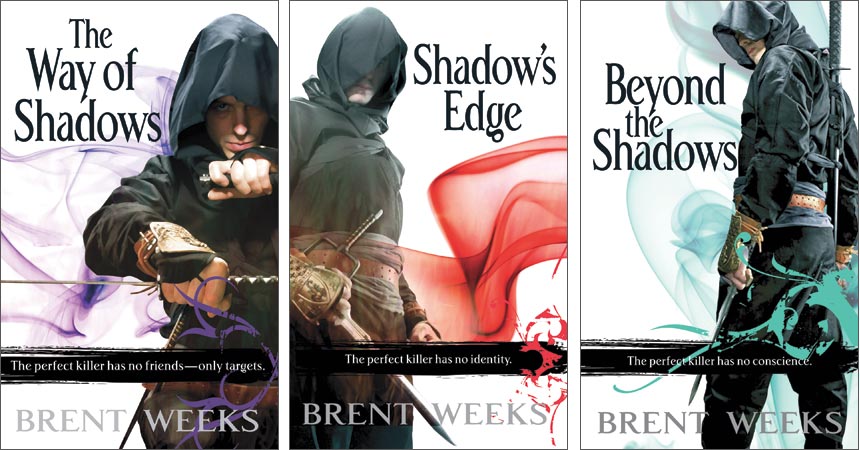
It’s true though that many readers do not notice these politically correct or otherwise portrayals on covers – they simply notice what appeals to them. Orbit Books released a clip showing how a book design comes together which has had over 90,000 hits on YouTube, demonstrating that book covers are fascinating to many of us. Publishers are also quick to pick up on popular covers and duplicate them for other books. See, for example, the new HarperCollins versions of Wuthering Heights, which imitate Twilight. UK author Brett Weeks also talks about this in relation to his own books, saying, “… you want people who enjoyed the Night Angel books but can’t even remember my name to be able to identify that these new books are Brent Weeks books. At the same time, you want to let people know that this is a new series, that the feel of these books is new and different, and basically … appeal to the greatest audience possible. This is made harder if every Tom, Dick, and Harry now has a cover with a hooded man with a sword. (Orbit appears to have started a small trend with my last covers.)”. This was illustrated to me when I saw the covers of Aussie author Rowena Cory Daniells’ new trilogy “King Rolen’s Kin” (due out as monthly releases this year) – there are obvious similarities to the covers of Weeks’ first trilogy, and I love them! Peter V Brett’s covers are also reminiscent of the Weeks ones, so it’s a definite trend!

For my mind, book covers should reflect the contents, theme or ideas of the book they are representing, in a way that is evocative, beautiful, striking or arresting in some way – books battle for attention in bookstores and on library shelves and any advantage is a bonus. 2009 Aurealis Award winner for Best Young Adult novel Leviathan by Scott Westerfeld is a perfect example. It practically cries out to be picked up, caressed, and then devoured. The artwork is symbolises the story, depicting it in a gorgeous and captivating way that appeals both to its target readers and adults (who are frequently the book buyers for that young adult audience), and it’s simply one of the most appealing books of the year.

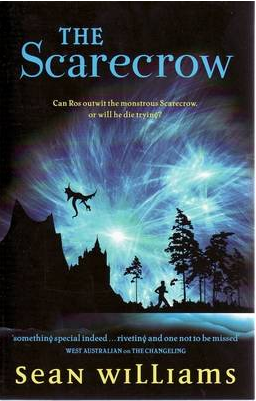
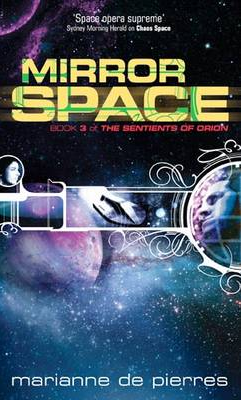
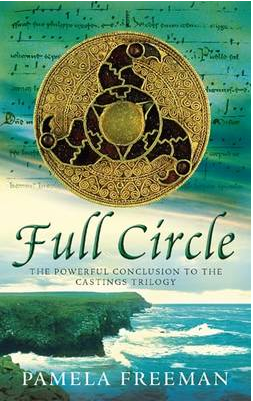
Other 2009 Australian releases that hit my buttons for great covers included Mirror Space by Marianne de Pierres , Scarecrow by Sean Williams and Full Circle, Pamela Freeman . What’s most interesting about these covers is that not only are they beautiful in their own right, but they also manage to act as a cohesive whole with the other books of the series they are part of. While each is unique, each also holds design elements in common with its sister books, which makes it even more appealing to the avid reader.

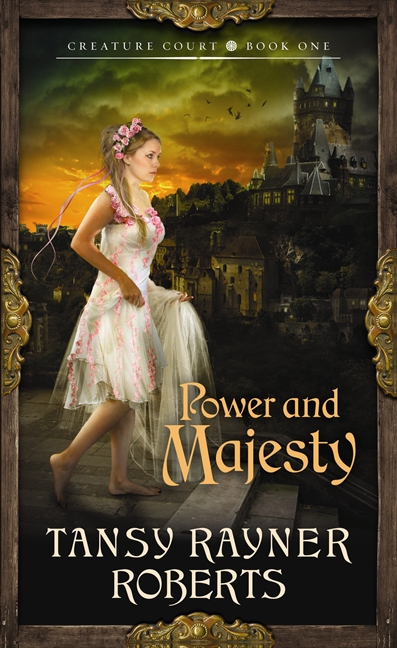
And the 2010 book I was MOST looking forward to is Power and Majesty (Book 1 of the Creature Court trilogy) by Tansy Rayner Roberts (released in June from HarperVoyager). Tansy has long been a favourite author of mine with her short stories and her Mocklore books; Power and Majesty is not only already receiving rave reviews – promising to be one of the hottest fantasy novels of the year – but it has the most gorgeous cover, ensuring it will fly off bookstore shelves.

Not all publishers get it right. Some covers make a great book look drab and boring, others completely misrepresent the story being told (I’m thinking particularly of books like Carrie Ryan’s The Forest of Hands and Teeth, a YA zombie novel that is nothing like Twilight, despite what the cover tries to insinuate!). But others get it very very right, and these are the covers that draw us in and carry us away. You really can’t judge a book by its cover, but the cover sure helps!